Petra Lorenz · 1 October 2026
The Evolution of Digital Platforms Like Ixelday and Their Impact on Distributed Team Collaboration
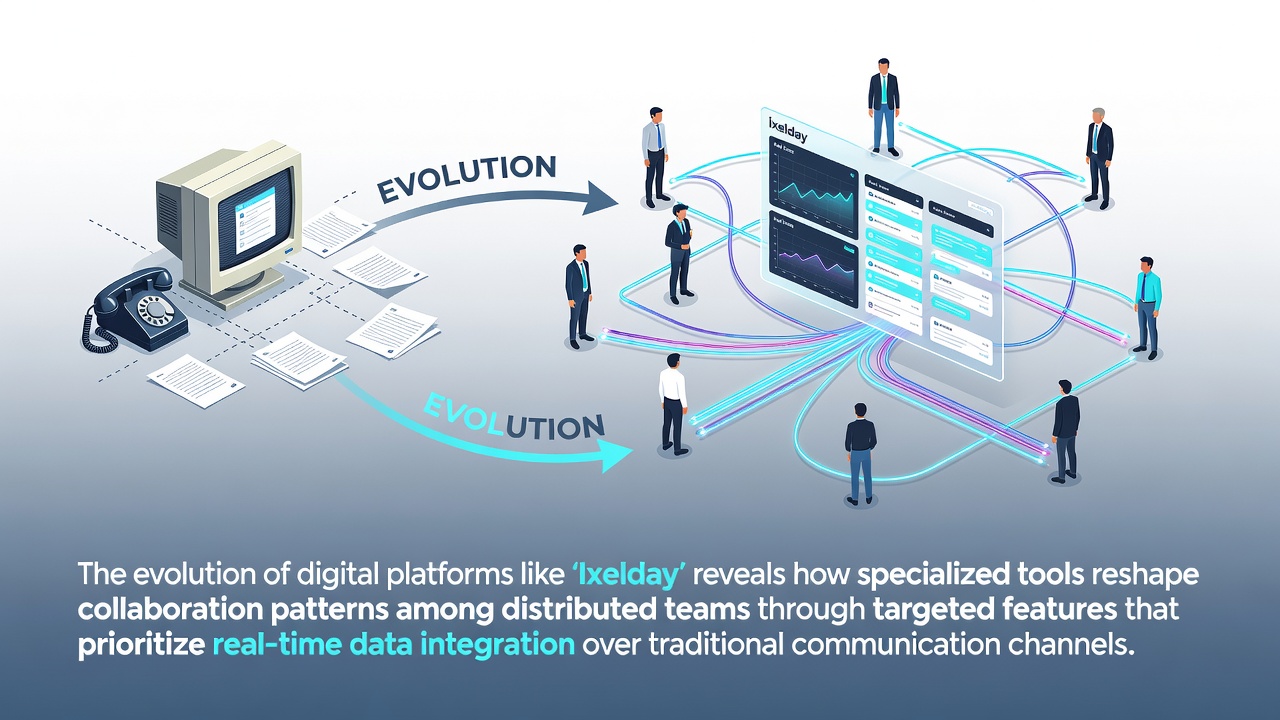
Digital platforms have shifted from general-purpose communication tools toward specialized systems that emphasize seamless data flows; platforms like Ixelday exemplify this change by embedding live analytics directly into team workflows rather than routing everything through chat threads or email chains. Early collaborative software relied on asynchronous messages and shared documents, yet as teams spread across time zones the demand for immediate context grew. Researchers at academic institutions tracked these transitions through longitudinal studies of remote work practices, and data from those efforts shows clear movement toward platforms that fuse information sources in one view.
Early Stages of Platform Development
Initial digital collaboration environments focused on replicating office interactions through video calls and file repositories, although these setups often fragmented when multiple data inputs competed for attention. Teams managed updates via separate applications, which created delays in decision cycles and duplicated efforts. By the mid-2010s, observers noted rising adoption of tools that began pulling live metrics from project management systems into shared spaces, reducing reliance on manual status reports.
That pattern accelerated when developers started prioritizing APIs that connected operational dashboards with communication layers. One study from an Australian research center highlighted how distributed groups using early integration features cut meeting times by measurable margins because participants arrived with synchronized information rather than catching up on scattered threads.
Key Features That Drive Integration
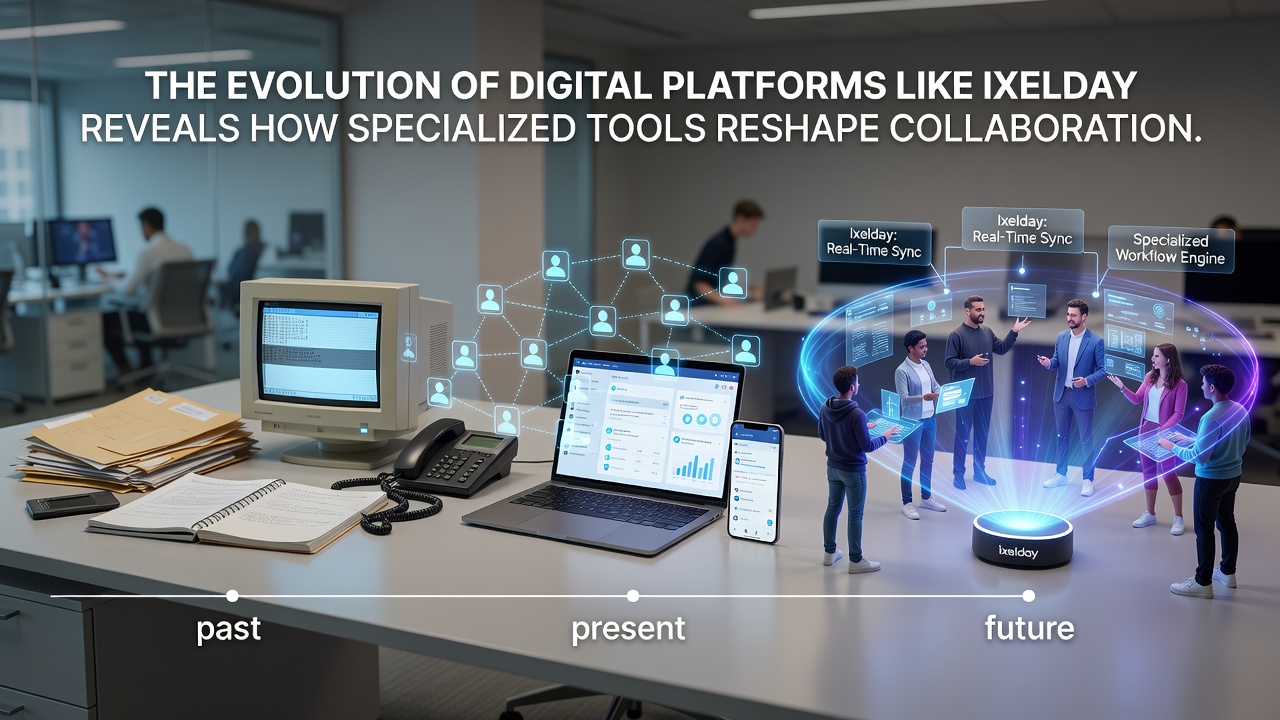
Modern platforms incorporate targeted capabilities such as automated data syncing, contextual overlays on documents, and notification systems that surface only relevant updates. These elements allow teams to work from unified datasets instead of piecing together information from multiple channels. Real-time feeds from external sources appear alongside task lists, which means participants reference the same live numbers during discussions.
Specialized tools further distinguish themselves through customizable views that adapt to role-specific needs; a developer sees code commits alongside performance indicators while a project lead monitors milestone progress in the same interface. Such design choices replace broad communication blasts with precise data delivery, and figures from industry reports indicate higher retention of critical details when information arrives embedded in the workflow.
Reshaping Patterns Among Distributed Teams
Collaboration rhythms have changed as teams adopt these platforms; instead of scheduled check-ins followed by follow-up messages, groups now maintain continuous alignment through shared data layers. Members contribute updates directly into the system, and those inputs propagate instantly to relevant colleagues. This reduces the volume of follow-up queries because everyone operates from current information rather than outdated snapshots.
Evidence from cross-regional analyses, including work published by Statistics Canada on remote workforce dynamics, reveals that teams leveraging integrated platforms report fewer coordination errors. The same datasets show increased frequency of micro-adjustments throughout the day, since live metrics allow quick course corrections without convening full meetings. Those who've studied this shift note that traditional channels persist for social connection but cede ground on operational matters.
Real-Time Data Priorities Over Legacy Channels
Emphasis on immediate data integration stems from practical constraints in distributed settings where delays compound across locations. Platforms surface discrepancies or anomalies as they occur, which lets teams address issues before they escalate. In October 2026, several organizations documented platform updates that expanded connector libraries, enabling tighter links between customer databases and internal planning tools.
People working in these environments often discover that decision velocity improves when data arrives contextually rather than through separate notifications. The approach sidesteps the fragmentation common in earlier email-dominant setups, and external benchmarks from the European Commission's digital economy monitoring confirm rising use of such unified environments across sectors. Yet legacy tools remain for archival purposes, since not every exchange requires live embedding.
Future Trajectories and Ongoing Adaptation
Continued refinement centers on predictive elements that anticipate team needs based on historical patterns, while maintaining strict controls over data access. Developers refine algorithms that surface only pertinent streams, which keeps interfaces uncluttered. Academic reviews of these developments stress the importance of interoperability standards that prevent lock-in to single vendors.
Distributed teams continue testing hybrid configurations that blend real-time layers with periodic deeper dives into archived records. This balance supports both immediate action and long-term planning without forcing all activity into one mode.
Conclusion
The trajectory of platforms like Ixelday demonstrates how targeted integration features have altered collaboration mechanics for distributed groups, moving emphasis from broad messaging toward precise, live data environments. Patterns observed across multiple studies indicate sustained growth in adoption as organizations seek efficiency gains from synchronized information flows. Those tracking these developments continue to map how the balance between communication and data layers evolves in response to team structures and technological capabilities.