Zoe Franke · 12 November 2026
Navigating Version History Features for Preserving Project Context in Remote Design Collectives
Remote design collectives depend on version history tools to track changes across multiple contributors while keeping project context intact throughout extended timelines and across time zones. These features log every edit, comment, and asset update in sequential order so teams can reconstruct decisions without losing sight of earlier iterations or rationale. Data from industry reports shows that distributed groups using structured version controls experience fewer miscommunications during handoffs between designers, developers, and stakeholders.
Core Mechanics of Version History in Design Platforms
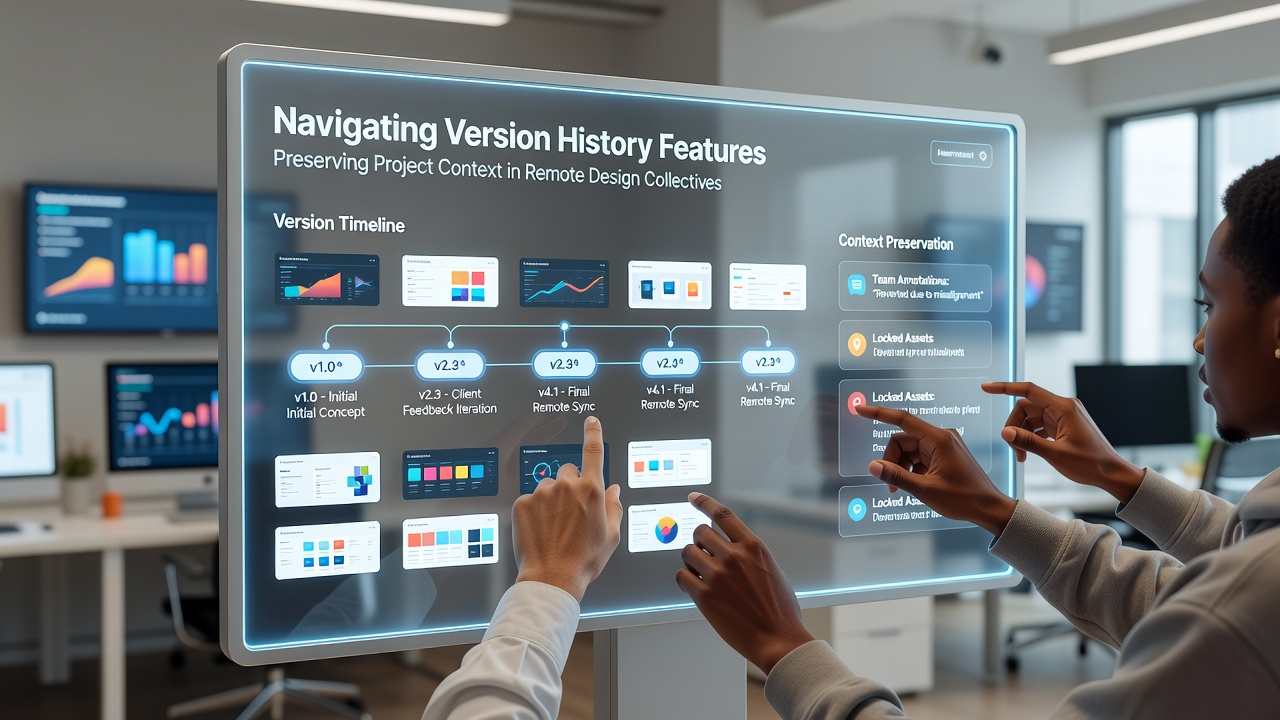
Version history systems record snapshots at regular intervals or upon manual saves, allowing users to compare states side by side and restore previous configurations when needed. In platforms commonly adopted by collectives, timestamps pair with contributor names and change descriptions, creating an auditable trail that preserves both the visual evolution and the reasoning behind each adjustment. Researchers at institutions focused on collaborative technologies have documented how such trails reduce duplication of effort by revealing which elements were already refined in prior rounds.
Branching capabilities let teams explore alternative directions without overwriting the main line, and merge functions consolidate selected elements once feedback cycles conclude. This approach proves especially useful when collectives operate across regions with differing regulatory expectations around data retention. Observers note that clear labeling of branches prevents confusion when multiple parallel explorations occur simultaneously.
Context Preservation Through Metadata and Annotations
Beyond simple undo stacks, advanced version features attach metadata such as layer states, linked assets, and external references that maintain the full environment surrounding a design decision. Annotations stored alongside versions capture discussions or constraints that shaped a particular choice, ensuring later reviewers understand why certain paths were taken. Studies from academic centers in Canada and Australia indicate that teams retaining these contextual layers complete revisions faster because they avoid re-exploring already resolved issues.
Automated diff views highlight modifications at granular levels, from color shifts to structural rearrangements, while preserving surrounding elements for reference. When integrated with notification systems, these views alert relevant members to changes that affect their components, keeping everyone aligned on the current state and its history.
Practical Navigation Strategies for Distributed Teams
Teams often establish naming conventions for versions and branches that encode project phases, dates, and responsible parties, which simplifies retrieval when context spans months of activity. Search functions within history panels allow filtering by contributor, date range, or keyword, surfacing relevant checkpoints without manual scrolling through lengthy logs. Experts have observed that consistent use of these filters helps collectives maintain continuity even as membership rotates or external partners join mid-project.
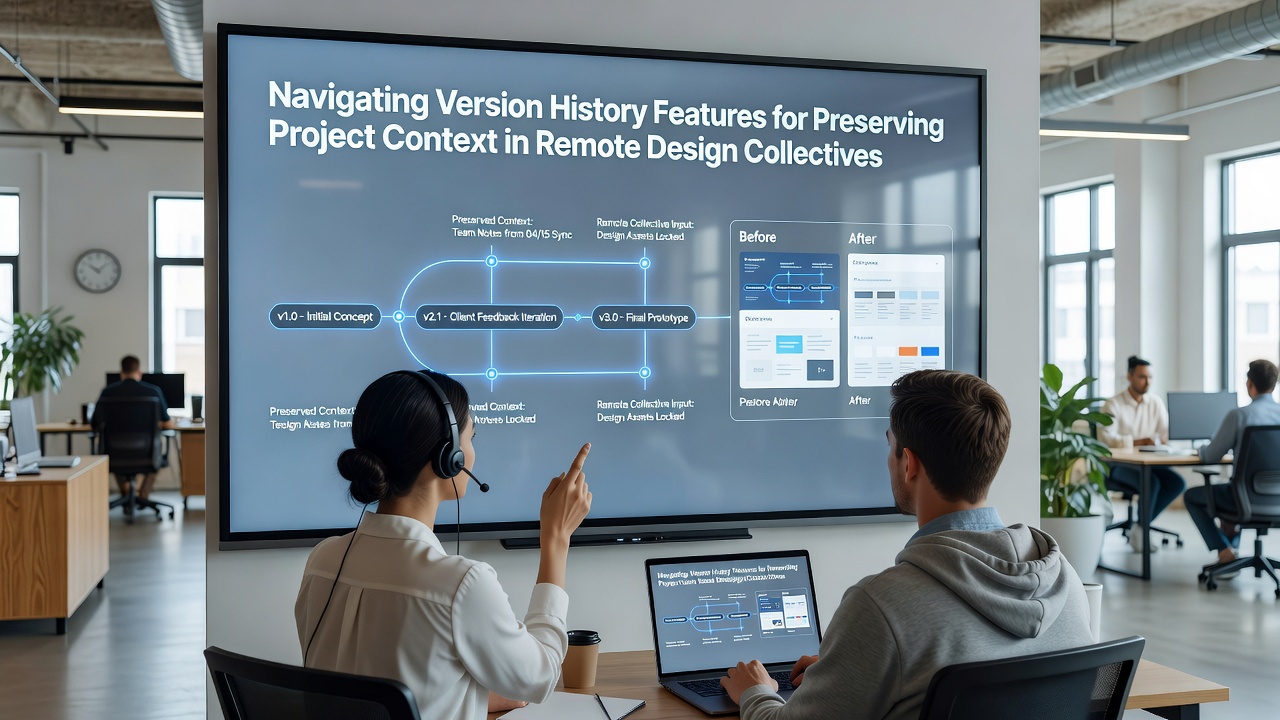
Regular audits of version archives, scheduled at project milestones, confirm that critical context remains accessible and that obsolete branches receive appropriate archiving. By November 2026 many platforms will have introduced enhanced AI tagging that automatically categorizes versions according to design intent, further streamlining navigation for large collectives handling dozens of concurrent threads.
Integration With External Tools and Compliance Needs
Version history often connects to project management systems and communication channels, pulling in related tickets or messages that supply additional context around design choices. This linkage supports compliance requirements in regions with strict data governance rules, where organizations must demonstrate traceability of creative outputs. European Commission reports on digital collaboration tools outline standards that many collectives now follow when configuring their history retention policies.
Export options allow teams to generate portable archives containing full version sequences for handover to new members or external auditors, preserving context even if platform access changes. Industry analyses from research bodies in Asia have shown that collectives maintaining such exports encounter fewer disruptions during platform migrations or membership transitions.
Conclusion
Effective use of version history features enables remote design collectives to retain project context across distributed workflows and extended durations. Teams that implement structured navigation, metadata practices, and integration protocols maintain clearer records of decisions and iterations. As platforms continue evolving through 2026 and beyond, these capabilities remain central to coordinated creative output in distributed environments.